Straight-line carton boxes
Often used for common paperboard packaging. Confirm blank size, folding lines, glue flap position, and required production speed.
Carton forming
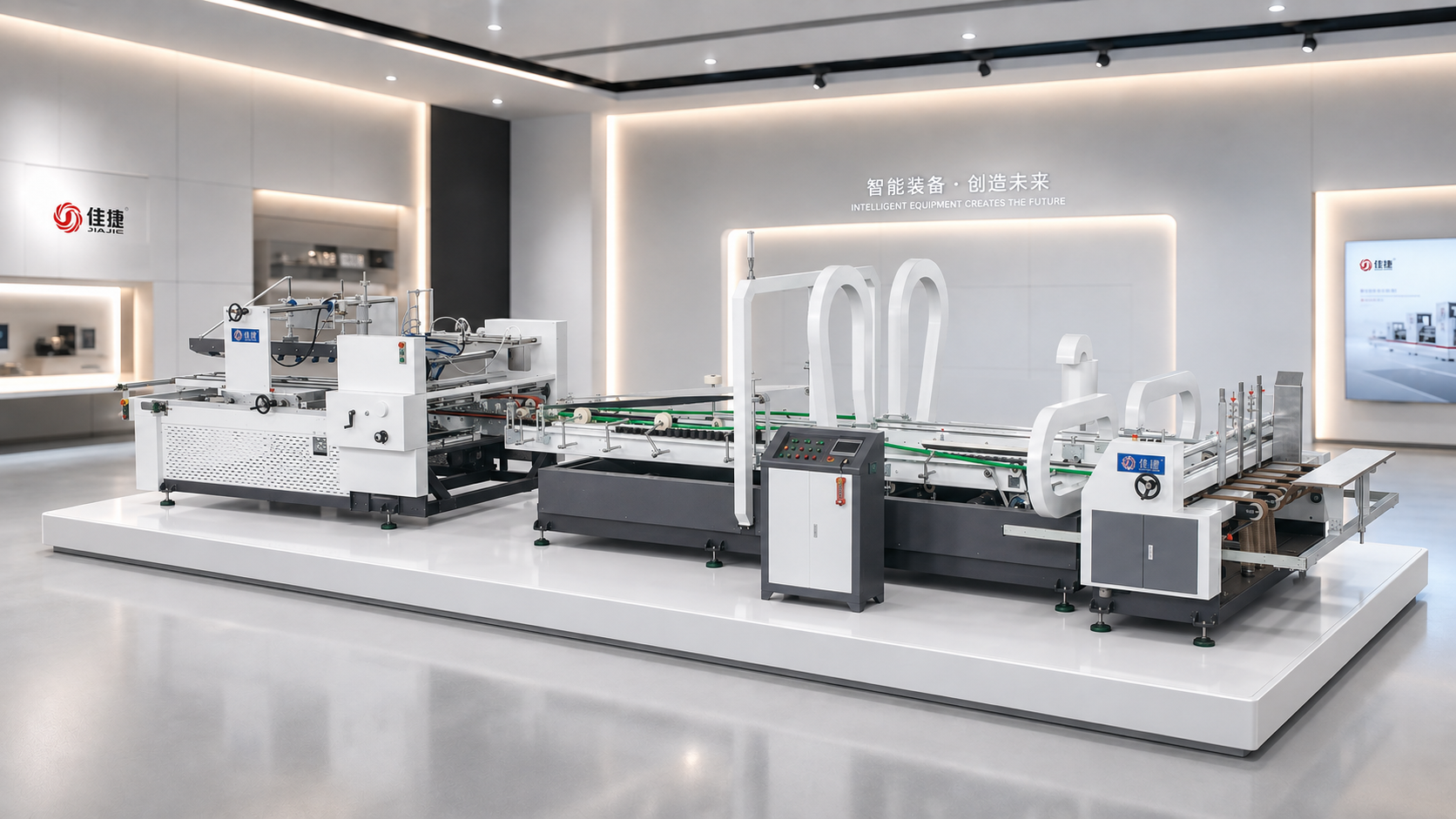
For folding and gluing paperboard or corrugated carton blanks. Selection depends on box structure, unfolded blank size, material thickness, glue method, feeding stability, speed target, and the layout of the buyer's production line.
Application fit
A folder gluer should be matched to the carton blank and folding path. Straight-line boxes, lock-bottom boxes, corrugated boxes, and special structures may require different belts, folding sections, glue systems, pressing sections, or correction devices.
When buyers provide a carton drawing or product photo, the machine discussion becomes more accurate. It helps identify whether the blank can run on a standard workflow or needs a special configuration.
Often used for common paperboard packaging. Confirm blank size, folding lines, glue flap position, and required production speed.
Need additional folding discussion. The carton drawing should be reviewed before selecting the folding and gluing configuration.
Board thickness, flute type, and blank stiffness affect feeding, folding stability, and pressing requirements.
Configuration points
Share the carton drawing, finished box photo, or unfolded blank photo to confirm folding path and glue flap position.
Max and min unfolded blank dimensions determine machine width, feeding area, and downstream collection requirements.
Paperboard and corrugated board behave differently during feeding and folding. Thickness range should be stated clearly.
Glue method, glue position, glue type, and cleaning expectations should be discussed before quotation.
Speed target should be realistic for the material, carton size, operator process, and downstream collection method.
Workshop length, machine direction, operator side, and connection to other equipment should be reviewed early.
Quote checklist